
 8531 N. New Braunfels Ave, Suite 100, San Antonio, TX 78217
Call Us for a Free Consultation
 210-535-0870


Top 3 Causes of Disputes Between Commercial Landlords and Tenants
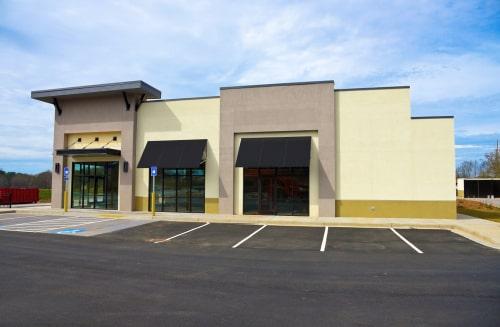 IIn some ways, renting out commercial real estate can be less complicated than renting out residential units. As a commercial landlord, you probably are not too worried about someone smoking inside your property or throwing loud parties that disturb other tenants. You are less likely to be disturbed by after-hours maintenance requests, and you are not subject to some of the stringent housing code requirements that apply to residential units.
Of course, that does not mean that renting out commercial space is going to be all smooth sailing. There are plenty of reasons that a commercial landlord could face litigation. Disputes between commercial renters and property owners are not uncommon.
If you are facing legal threats from your commercial tenant, it is important that you get in contact with a Bexar County, TX real estate attorney as soon as possible to help resolve your dispute. Geoff Mayfield, Attorney at Law, has over 15 years of legal experience, providing trusted counsel and guidance to landlords across the San Antonio area.
What Are the Most Common Causes of Disputes Between Commercial Landlords and Tenants in 2026?
If at all possible, an attorney should look over the lease you plan on offering to a prospective tenant. Language in the contract that may seem very clear to you could be misinterpreted or twisted by a tenant. Having an attorney draft your commercial lease is one of the best ways to head off future disputes. Some common problems that lead to legal conflict between commercial landlords and their tenants include:
Unclear or Missing Lease Terms
What you may take for granted in a lease you give to a tenant may be open to interpretation or misunderstanding. For example, it may not occur to you that you need to specifically state that tenants cannot make major modifications to the structure of the building. This does not mean it will not occur to the tenant to do so anyway.
A strong commercial lease should cover everything you do or do not want your tenants to do on the property, as well as set expectations for what will happen if certain events, like rent nonpayment, take place. An experienced real estate attorney who has handled a large number of commercial real estate tenancy disputes will have a better understanding of what lease terms are necessary to protect you.
Maintenance
Even if the lease addresses maintenance, it can be difficult to discern whether the landlord or the tenant is responsible for a certain repair. Tenants may sometimes refuse to address repairs themselves, demanding that the landlord cover a repair that should be the tenant’s responsibility.
Non-Payment of Rent
A commercial tenant refusing to pay rent can cause major financial stress for the landlord. When informal dispute resolution fails, landlords may have to turn to various enforcement methods. In serious cases, a landlord may to pursue an eviction.
How Are Commercial Landlord-Tenant Disputes Handled in Texas?
Commercial landlord-tenant disputes in Texas often start long before anyone files papers in court. Most leases require both sides to try to work things out through direct negotiation first. A landlord and tenant might discuss a payment plan, a lease amendment, or a temporary fix to a maintenance problem. Many commercial leases also include a clause requiring mediation before either party can sue. Mediation involves a neutral third party who helps both sides talk through the conflict and search for a solution that works for everyone. It is often faster and less expensive than litigation.
If negotiation and mediation do not solve the problem, arbitration may be the next step. Arbitration is more formal than mediation, but still less formal than a court trial. An arbitrator listens to both sides and makes a decision, which is often binding. Some commercial leases require arbitration instead of allowing either party to file a lawsuit.
When these methods fail, or when the lease does not require them, a lawsuit may be necessary. Texas courts handle a wide range of commercial lease disputes, from unpaid rent to property damage claims. Litigation can take longer and cost more, but it may be the only option when one side refuses to cooperate. A well-drafted lease can make the entire process smoother by spelling out which method the parties must use before going to court.
What Can You Do if a Commercial Tenant Violates the Terms of a Lease?
A commercial landlord has several options when a tenant breaks the terms of a lease. The first step is usually to send a formal notice describing the violation and giving the tenant a chance to fix it. Many leases set a deadline for the tenant to correct the problem before the landlord will take further action.
If the tenant does not fix the violation, Texas law allows landlords to take certain steps depending on the type of breach. For example, if a commercial tenant fails to pay rent, a landlord may have the right to change the locks on the property under certain conditions (Texas Property Code Sec. 93.002). Before doing this, the landlord must follow specific notice requirements and leave a notice on the tenant's door explaining how to get a new key.
In more serious cases, a landlord may choose to terminate the lease and begin the eviction process. Evictions in Texas move through the justice court system and require proper notice before a case can be filed. A landlord who skips these steps or acts without following the lease terms could face legal trouble, even if the tenant was originally at fault.
Can You File a Lawsuit Against a Commercial Tenant for Unpaid Rent?
Texas law allows commercial landlords to sue tenants for unpaid rent. Before filing a lawsuit, most landlords send a demand letter asking the tenant to pay the amount owed. If the tenant still does not pay, the landlord can file a lawsuit in the appropriate Texas court based on the amount of rent owed.
A lawsuit for unpaid rent may seek the overdue amount, late fees allowed under the lease, and sometimes attorney fees if the lease includes that provision. Courts will also look closely at the lease terms to determine what the tenant actually owes. Keeping detailed records of missed payments, notices sent, and lease terms can strengthen a landlord's case significantly.
Call a Bexar County, Texas Commercial Leasing Attorney
Geoff Mayfield, Attorney at Law is experienced in helping commercial landlords resolve disputes with tenants. Our skilled San Antonio, TX commercial real estate lawyer can also draft strong leases that may reduce the chances of legal action in the future. Contact us at 210-535-0870 for a free consultation.


8531 N. New Braunfels Ave, Suite 100, San Antonio, TX 78217
210-535-0870